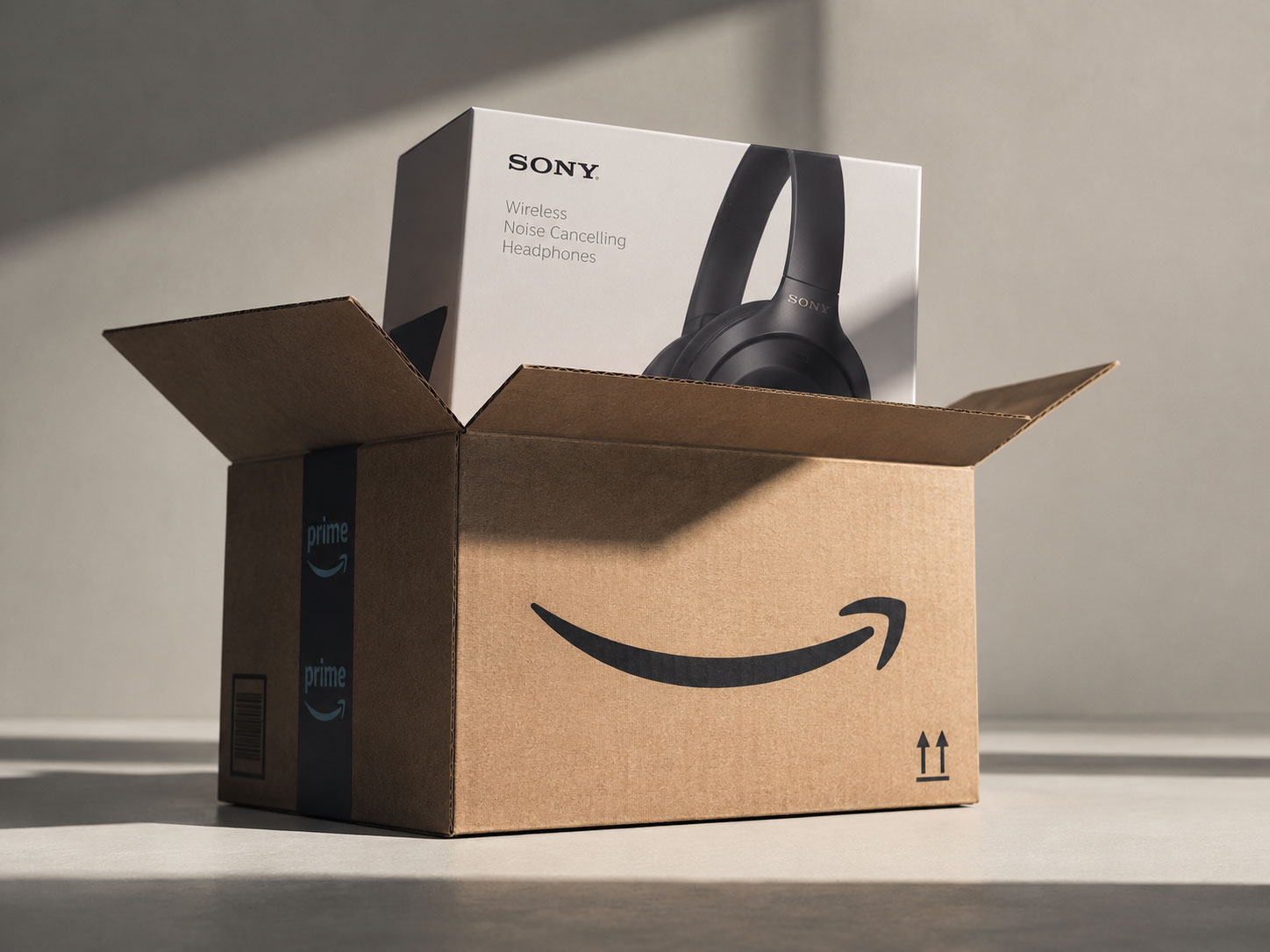
Amazon announced on September 10, 2026 that most product bundles listed under a single ASIN must be packaged by the original manufacturer or brand starting January 11, 2027. If your bundles are assembled at a prep center, in-house, or by anyone other than the brand itself, they're noncompliant the moment the deadline hits — unless you fall into one of three narrow exceptions.
What Actually Changes on January 11, 2027
The rule targets bundles sold as a single ASIN where the components ship physically packaged together — think a skincare set, a supplement-plus-shaker combo, or a gift pack assembled from separate retail items. After the deadline, that packaging has to come from the original manufacturer or brand, not from a third party reconfiguring retail units into a new combination. Amazon frames this as an authenticity and safety measure, but the practical effect lands squarely on sellers who build bundles at a 3PL or prep center rather than sourcing pre-bundled inventory directly from brands.
Jan 11, 2027
Deadline, no grace period
50%+
Grocery & beauty bundles affected
Jan 1, 2026
FBA prep services already ended
That last date matters more than it looks. Amazon already pushed prep and bundling work out of its own fulfillment centers at the start of 2026, forcing sellers to handle kitting before inventory ever reaches FBA. This new rule tightens the same screw from the other direction — now it also restricts who's allowed to do that packaging in the first place.
Three Ways Your Bundle Stays Compliant
Amazon carved out three exceptions, and each has a different operational burden. Authorized repackaging requires a signed letter of authorization from every brand included in the bundle, uploadable to Account Health if a listing gets flagged. Exempt categories — gifting browse nodes and camera product types — don't need original-manufacturer configuration at all. Virtual Bundles, available to brand owners and authorized resellers through Amazon's Virtual Bundles tool, group ASINs at checkout without ever physically repackaging them, sidestepping the rule entirely.
| Compliance Path | What It Requires | |
|---|---|---|
| 📄 | Authorized Repackaging | Signed LOA per brand, physical repackaging allowed, works for most categories — upload proof if flagged |
| 🎁 | Exempt Categories | No authorization needed, physical repackaging allowed, gifting and camera only — no flag risk |
| 🔗 | Virtual Bundles | No authorization needed, no physical repackaging, brand owners and authorized resellers only — no flag risk |
Consumables bundles get one more allowance: multiple brands can be combined with letters of authorization from each. But for most sellers running multi-SKU bundles outside gifting or camera categories, the letter-of-authorization path is the only route that keeps existing physical bundles alive past January.
New Bundle Types Amazon Is Now Allowing
The announcement isn't purely restrictive. Alongside the packaging requirement, Amazon lifted several long-standing bundle limits: Books, Music, Video, DVD, and Video Game categories can now be bundled — a combination previously off-limits — and sellers can pair a physical product with a generic secondary item or a service plan inside one bundle. Bundles that include a gift card are also newly permitted. For sellers who tried to build a bundle in these categories before and got blocked, that restriction is gone as of the same policy update.
Read together, the update is a trade: Amazon tightens who's allowed to assemble a physical bundle, while widening what can legally be bundled in the first place. A seller in media or entertainment categories gains a bundling option that didn't exist before; a seller assembling health & beauty sets at a prep center picks up a compliance requirement that didn't exist before. Both changes land on January 11, 2027, and both are worth building into the same catalog review.
Where a Fulfillment Partner Fits Into This
If your 3PL or prep center currently assembles your bundles, this policy makes them a compliance checkpoint, not just a labor line item. A partner who tracks which bundles have signed authorization on file, flags any SKU combination missing one before it ships to FBA, and keeps documentation ready for an Account Health challenge saves you from finding out about a deactivation the same way you find out about most Amazon policy problems — after it's already cost you sales.
A bundle that was compliant in December and deactivated in January isn't a policy surprise — it's a paperwork gap someone should have caught months earlier.
Sellers who got hit by inconsistent enforcement before this policy was even formalized report the same pattern: no warning, a sudden Account Health violation, and a scramble to produce authorization after the fact. Getting the letters in place now, while there's still runway before January, is the entire difference between a smooth transition and a Q1 listing gap.
Do you track authorization status per bundle SKU?
Ask whether your partner maintains a record of which bundles have a signed letter of authorization on file versus which are still exposed.
Can you flag noncompliant bundles before they ship to FBA?
A partner should catch a missing authorization at receiving, not after Amazon deactivates the listing.
Do you support Virtual Bundles as an alternative?
If physical repackaging isn't required for your catalog, ask whether shifting to Virtual Bundles removes the compliance burden entirely.
What's your removal process for noncompliant FBA inventory?
Confirm they can execute a fulfillment center removal order quickly if a bundle gets deactivated after January 11.
How do you handle multi-brand consumable bundles?
These need a letter of authorization from every brand included — ask how your partner verifies all of them are current.
Will you notify me before the deadline, not after?
Get a specific commitment on when they'll flag at-risk bundles — with enough lead time to secure authorization or restructure the bundle.
None of the three exceptions are difficult on their own. The risk is treating this like a distant 2027 problem when Amazon's own enforcement history — including deactivations that predated the formal policy — suggests the safer move is auditing every physical bundle now, not in December.
Need Your Bundles Audited Before the January 2027 Deadline?
OneDayBundle tracks authorization status on every kitted bundle and flags compliance gaps before they reach FBA.
Talk to a Fulfillment Specialist