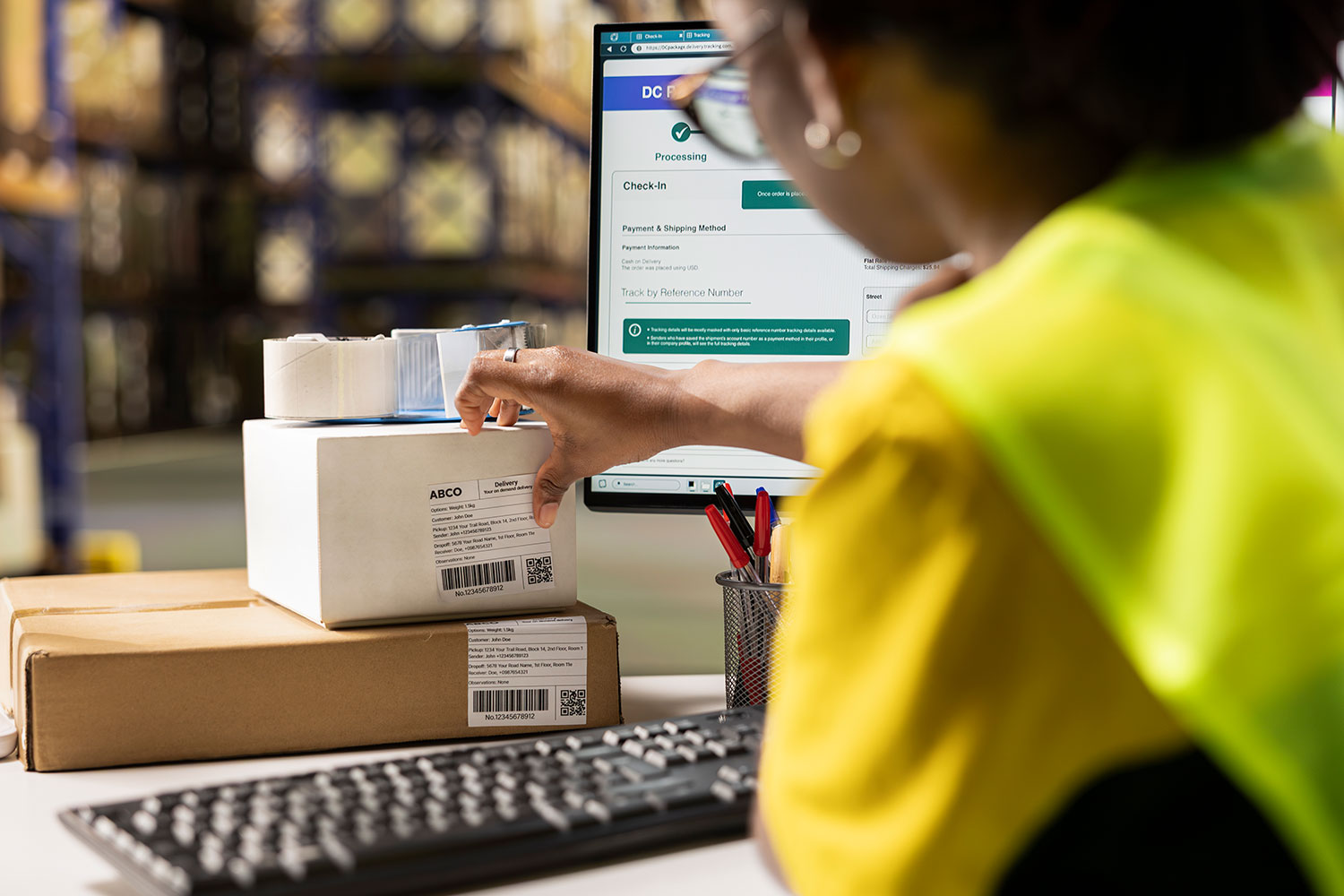
On January 1, 2026, Amazon stopped offering FBA prep and labeling services for US inventory. No more FNSKU labeling, polybagging, or bubble wrapping at the fulfillment center. Every unit now has to arrive 100% FBA-ready, or Amazon rejects or returns the shipment at your cost — with no reimbursement for damage or non-compliance. If you built your supply chain around Amazon handling prep, that part of your operation just disappeared, and you have two choices left: do it yourself, or hand it to a prep partner.
What Actually Changed
The policy covers all FBA inventory paths — direct shipments, Amazon Warehousing and Distribution (AWD), Amazon Global Logistics (AGL), and Amazon SEND. There's no carve-out for small sellers or low volume. The only grace period: shipments created before January 1, 2026 still received prep even if they arrived later. That window is closed now. From here forward, "FBA-ready" means a scannable FNSKU on every unit, category-compliant packaging, and protection that survives the trip to and inside the fulfillment center.
$1.20–$1.80
Typical all-in cost per unit to prep FBA inventory yourself, including labels and materials
$0.32–$1.74
Amazon's inbound defect fee per unit for standard items that arrive non-compliant.
$8.25
Peak per-unit penalty for non-compliant oversize products.
The math is unforgiving. A single mislabeled or unprotected unit can cost more in defect fees than the entire prep would have cost done correctly upfront. Multiply that across a pallet and one bad inbound shipment erases the margin on the whole batch.
DIY Prep Versus A Prep Partner
Doing prep in-house gives you control and a low per-unit cash cost, but it eats labor hours, floor space, and your attention — and it doesn't scale past a few hundred units a week without becoming a second job. A third-party prep partner converts that into a predictable per-unit line item and absorbs the compliance risk. The right answer depends on your volume, your margins, and whether prep is a core competency or a distraction.
| Factor | DIY Prep | Prep Partner |
|---|---|---|
| Cash cost/unit | Lowest | Per-unit fee |
| Your labor | High | None |
| Compliance risk | On you | On partner |
| Scales with volume | Poorly | Easily |
Questions To Ask Your Prep Partner
Confirm FNSKU labeling accuracy
Ask what their label scan-pass rate is and who pays if a mislabel triggers an Amazon defect fee.
Verify category-specific prep
Confirm they handle your categories: poly bagging with suffocation warnings, bundling, fragile and liquid prep, expiration labeling.
Pin down turnaround time
Get a committed receiving-to-inbound window in days, not vague promises, so your replenishment doesn't stall.
Ask about combined FBA and FBM
A partner that does both lets you split inventory and pivot channels without moving stock.
Clarify damage liability
Get in writing who covers rejected or returned shipments caused by their prep errors.
Check integration and visibility
Confirm they connect to Seller Central and give you real-time inbound and inventory status.
Amazon now expects 100% FBA-ready inventory at the door. The prep step didn't go away — it just moved to you. The only question is who runs it.
The sellers who handled this well treated late 2025 as a pilot window, testing a prep workflow or partner before the deadline forced their hand. If you're reading this after January 1 and still scrambling, the fix is the same: lock down a reliable prep process now, before a rejected shipment costs you a stockout during peak.
Need your FBA inventory prepped and shipped without the compliance headaches?
OneDayBundle handles FNSKU labeling, packaging, and FBA-ready prep so your shipments clear the first time — plus FBM and DTC fulfillment under one roof.
Talk to our team