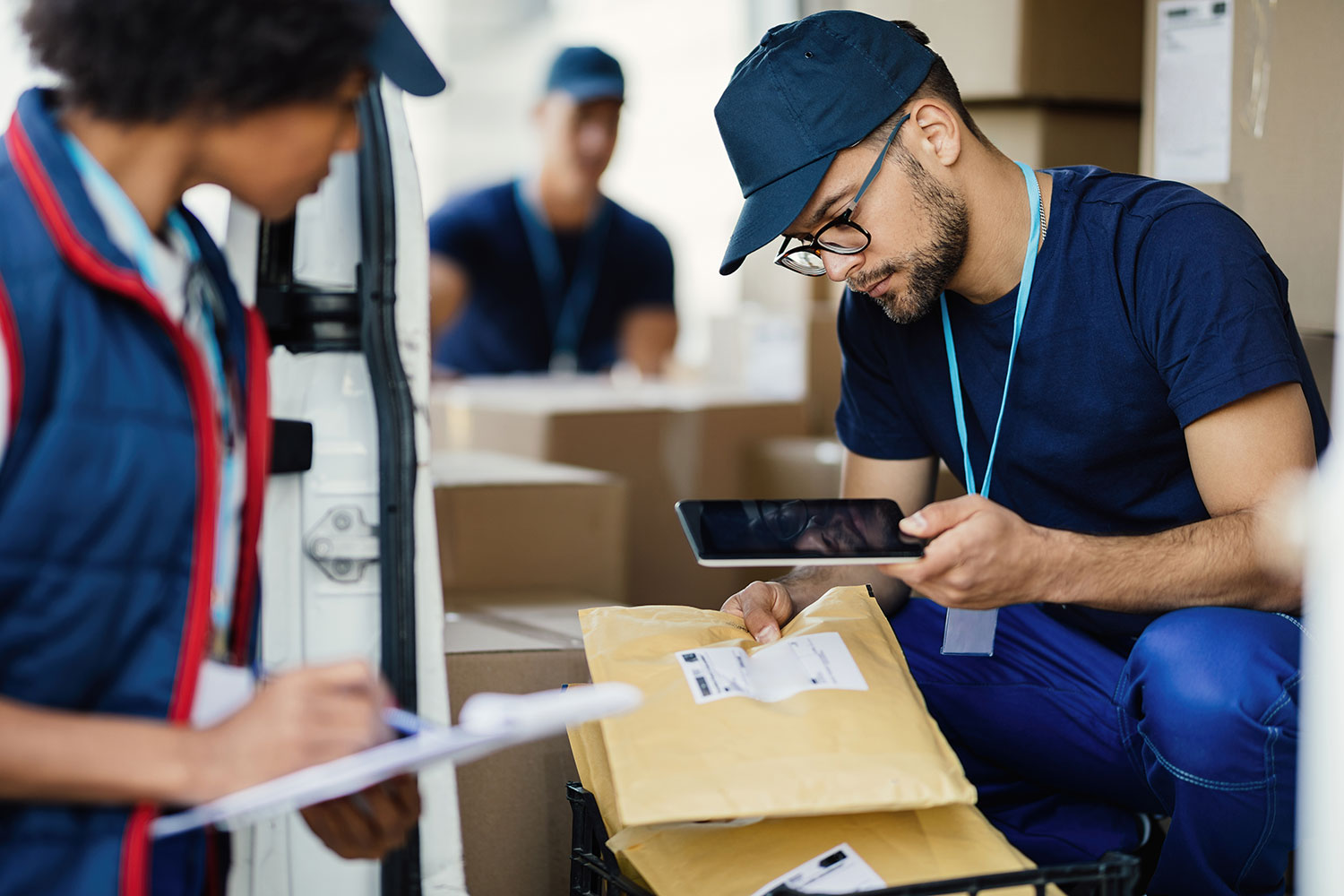
Returns are the part of e-commerce most sellers underestimate until it starts costing real money. The average online return rate hit 20.8% in 2026 — meaning roughly one in five orders comes back. If you're processing those returns in-house, you're spending warehouse space, labor hours, and management attention on a problem that a fulfillment partner can run more efficiently at scale.
$849.9B
Total US retail returns in 2025, per the NRF
20–30%
Of product value consumed by reverse logistics
48%
Of returned items resold at full price
$10–$65
Cost to process a single return
The economics of returns punish brands that treat them as an afterthought. When less than half of what comes back goes out again at full margin, every inefficiency in your returns workflow compounds. A 3PL with a dedicated reverse logistics operation changes that math — faster throughput, better item recovery rates, and bulk carrier rates you can't negotiate on your own volume.
What Actually Happens When a Return Arrives at a 3PL
Returns don't just pile up and get sorted eventually. A properly run 3PL warehouse moves each return through a defined sequence: receive and scan against the original order, inspect for condition and completeness, grade the item, then route it to the right disposition path. Top-performing 3PLs complete this cycle for 98% of returns within 48 hours. That speed matters because every extra day a sellable item sits in limbo is inventory you can't fulfill.
| Disposition Path | Condition | Outcome | |
|---|---|---|---|
| 📦 | Restock as new | Unopened, undamaged | Full-price resale |
| 🏷️ | Restock as open-box | Minor cosmetic issues | Discounted resale |
| ♻️ | Liquidation / donation | Damaged or unsellable | Cost recovery or write-off |
Grading criteria are set by you, not the warehouse. Before your first return hits the dock, you define what "sellable" means for your SKUs — whether that's factory-sealed packaging, original accessories included, or acceptable cosmetic thresholds. The 3PL's team applies those rules consistently at scale, which is something that breaks down fast when you're doing it ad hoc with a small in-house team.
Why In-House Returns Processing Breaks at Volume
Small sellers often handle returns themselves without noticing the cost — it's just a few boxes a week. The problem surfaces during Q4, after a promotion, or whenever a product has a quality issue and returns spike. In-house operations don't scale on short notice. A 3PL absorbs that volume without you hiring seasonal labor or renting extra space. More importantly, their throughput stays consistent because returns are a core workflow, not something squeezed between outbound shipments.
76% of consumers say easy returns influence where they shop.
Your return policy is a customer acquisition decision, not just a logistics one.
Fast returns processing also means faster refunds, which directly affects customer satisfaction and chargeback rates. When a 3PL can inspect and clear a return within two business days, you can trigger refunds confidently — rather than holding them until someone finds time to check the item.
Questions to Ask a 3PL Before Handing Over Your Returns
What is your average returns processing time?
The answer should be 48–72 hours for most items. Anything longer means returns are sitting idle, which delays refunds and inventory recovery.
Do you photograph returned items during inspection?
Photo documentation protects you in disputes with customers and carriers. Without it, you're taking the warehouse's word on condition.
Can I set my own grading criteria per SKU?
Your definition of "sellable" may differ from the next brand's. A good 3PL documents your rules and applies them — not a one-size-fits-all standard.
How do you handle items that require repackaging?
Some returns need new poly bags, labels, or boxes before they can go back to pick-ready inventory. Confirm this is a service they offer and understand the per-unit cost.
What disposition options do you support beyond restock?
Liquidation partners, donation programs, and destruction documentation are all things you may need depending on your product category and compliance requirements.
Do you track return reasons and report them back?
Aggregated return data — reason codes, SKU-level trends — is the input you need to fix product or listing issues upstream.
Returns processing is one of the clearest cases where a 3PL's infrastructure outperforms a brand's in-house setup. The capital investment in dedicated receiving stations, barcode scanning systems, WMS integrations, and trained inspection staff only makes sense at warehouse scale. For most e-commerce sellers, outsourcing this function recovers margin they didn't know they were losing.
Is Your Returns Process Costing More Than You're Recovering?
OneDayBundle handles receiving, inspection, grading, and restock so your returned inventory gets back to work fast — without the overhead of managing it yourself.
Talk to Our Team