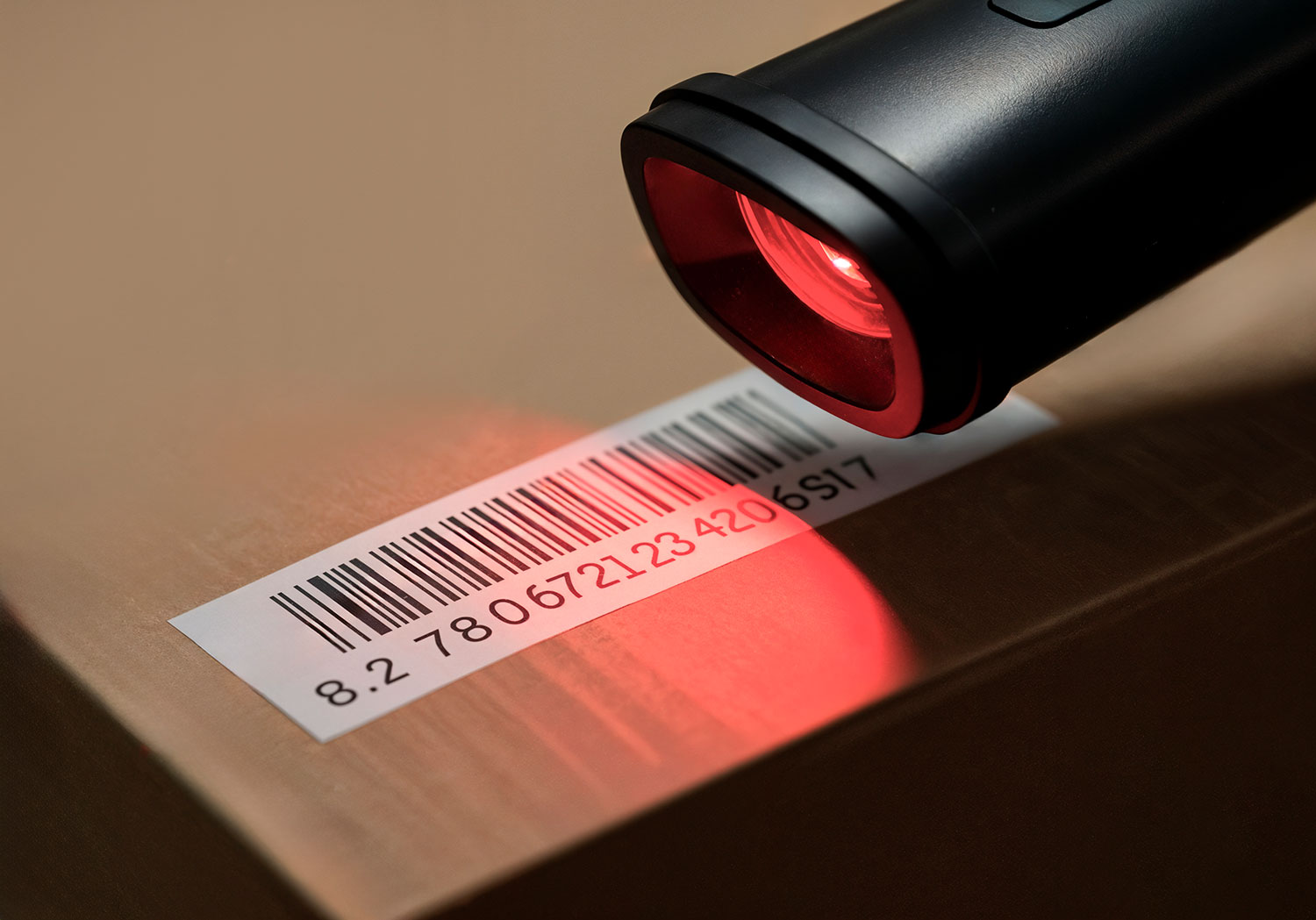
If you sell supplements, skincare, or any consumable with a date on it, your warehouse isn't just storing boxes — it's managing a clock. Ship the newest lot first and older stock expires on the shelf. Send short-dated units to Amazon and they get rejected or disposed of. Mix two lots in one carton and a recall turns from a 50-order problem into a 5,000-order problem. Lot and expiration control is what separates a 3PL that can handle consumables from one that only says it can.
What FEFO means in a warehouse
FEFO — first expired, first out — means every pick pulls the unit with the earliest expiration date, not the unit that arrived first (FIFO) or the one closest to the packing station. The two usually line up, but not always: a reorder from a different manufacturer run can arrive later with a shorter date. A warehouse management system enforces FEFO only if each receipt is recorded with a lot number and expiration date, each lot sits in its own bin, and the scanner blocks picks from the wrong lot. If any of those three is missing, FEFO is a policy on paper, not a control.
90 days
Extra shelf life Amazon requires at check-in
330 days
Minimum for a 240-serving supplement at FBA
36-point
Minimum font for dates on FBA cartons
$10M
Average direct cost of a food recall
The Amazon numbers come from Amazon's own expiration date rules for FBA. Amazon treats "best by" and "sell by" dates as expiration dates, accepts only MM-DD-YYYY or MM-YYYY formats for most products (YYYY-MM-DD for medical devices), and says a lot number alone is not enough. Each carton may hold only one expiration date per ASIN, so a shipment with two lots of the same SKU has to be split into separate boxes. Units that get close to expiring inside FBA are removed for disposal, and third-party guides commonly cite a 50-day window. Since Amazon ended FBA prep services in the US on January 1, 2026, getting all of this right before the truck leaves is on the seller or the seller's prep partner.
Why lot tracking matters beyond Amazon
For DTC orders, short-dated product shows up as reviews and refunds — a customer who gets a 60-serving bottle that expires in five weeks notices. For regulatory exposure, the stakes are higher. The Modernization of Cosmetics Regulation Act (MoCRA) gave the FDA mandatory recall authority over cosmetics and requires brands to keep adverse event records for six years, as summarized by Foley & Lardner. Dietary supplement cGMP rules under 21 CFR Part 111 already require batch records to be kept for one year past the shelf-life date. None of that helps you if your warehouse can't tell you which customers received lot 24B-117.
A recall is only as small as your records allow. If you can't trace a lot to specific orders, you end up recalling everything you shipped that month.
That's the practical value of lot capture at pack-out: when a supplier flags a contaminated batch or a customer reports a reaction, you pull a list of affected orders in minutes, notify only those buyers, quarantine the remaining units, and keep selling every other lot. Without it, the safe move is to stop shipping the SKU entirely until you can sort it out by hand.
Three levels of lot control compared
| Setup | What Actually Happens to a Lot | |
|---|---|---|
| 📋 | Spreadsheet in-house | Lot and expiry captured manually and often skipped, picks go to whatever is closest, lots mixed in bins, no lot recorded per order, no short-dated alerts — FBA carton dates are the seller's problem |
| 📦 | Basic 3PL | Receiving at SKU level only, picks usually FIFO, lots commonly mixed in bins, lot rarely recorded per order, alerts on request — FBA carton date compliance for an extra fee |
| 🔎 | Lot-controlled 3PL | Lot and expiry scanned per carton at receiving, system-enforced FEFO, no mixed lots in a bin, lot recorded at pack-out, automatic short-dated threshold — FBA carton dates built into prep |
The middle row is where most sellers get burned. Plenty of 3PLs can store a lot number as a note on a receipt, but if the picker isn't forced to scan it, the system has no idea which lot actually went into which box. Ask to see a live order record — if it doesn't show a lot and expiration date per line, the tracking stops at the dock.
Questions to ask your fulfillment partner
How do you capture lot and expiration at receiving
The right answer is a scan or entry per carton during check-in, with receiving blocked when the date is missing. "We note it on the packing list" means the data probably won't follow the inventory.
Is FEFO enforced by the scanner
Ask what happens when a picker scans a unit from a later-dated lot. A real FEFO setup rejects the scan and points to the correct bin.
Can you pull every order containing one lot
Ask for a sample report and how long it takes. For a recall, you want order numbers, ship dates, and customer addresses within the hour, not after a weekend of spreadsheet work.
What is your short-dated stock threshold
Set a number of days, for example 120 for DTC and Amazon's consumption-plus-90 rule for FBA, below which units are flagged, held, or routed to a discount channel instead of shipped.
Do you build FBA cartons to Amazon's date rules
Confirm they label outer cartons with 36-point dates, keep one expiration date per ASIN per box, and check remaining shelf life before the shipment plan is created.
How do you quarantine a recalled or expired lot
Ask whether they can lock a single lot in the system so it can't be picked, while every other lot of the same SKU keeps shipping.
For consumables, lot and expiration control isn't an add-on — it determines whether your Amazon shipments get accepted, whether your DTC reviews mention "expired," and whether a supplier problem costs you one batch or your whole quarter. Test it before you sign: send a sample receipt with two lots of one SKU and watch whether the warehouse keeps them apart all the way to the customer.
Need a Warehouse That Tracks Every Lot From Dock to Doorstep?
OneDayBundle receives, stores, and ships supplements and cosmetics with lot capture and FEFO picking, and builds FBA cartons that meet Amazon's expiration rules.
Talk to Our Team